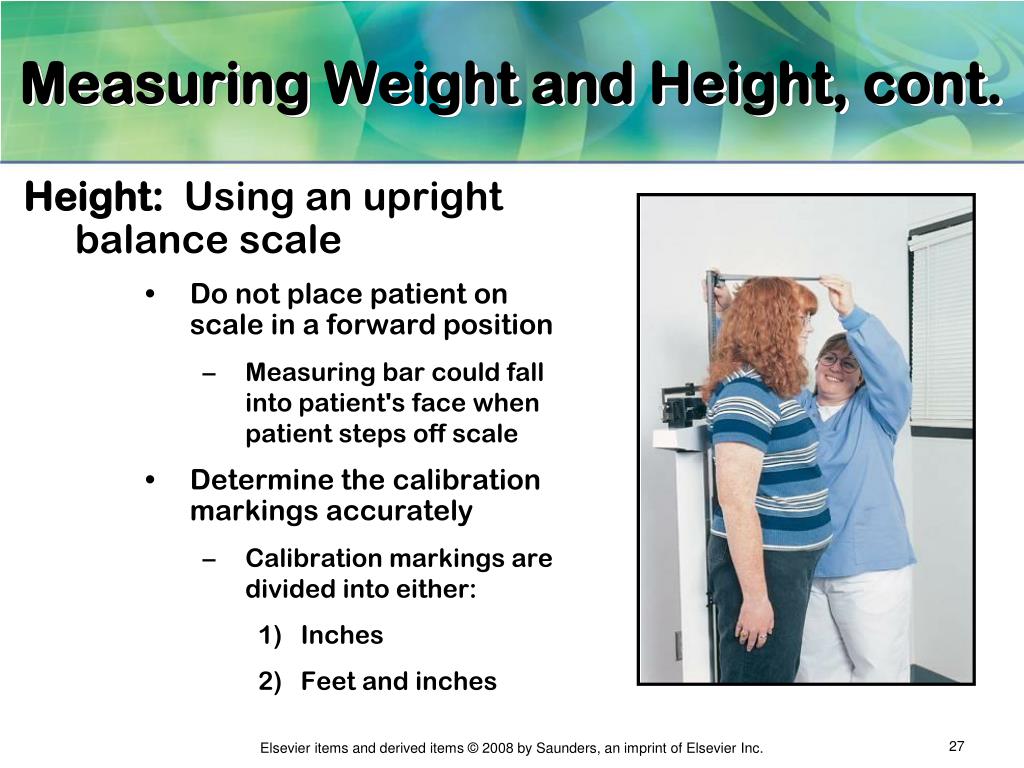
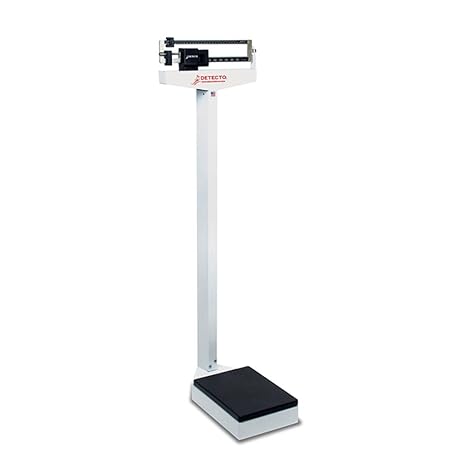
Understanding how to read a scale will help you choose the right one for your needs. Weighing participants in their wheelchair weighing their chair. The upright scale is used for ambulatory patients who can stand unattended on the platform. The bottom row has denominations of 50 pounds. Your weight is determined when the measuring portion of the scale sitting inside a rectangle balances between the top and bottom of that area. For scientists weight has to do with the quantity of matter and the downward force on it.
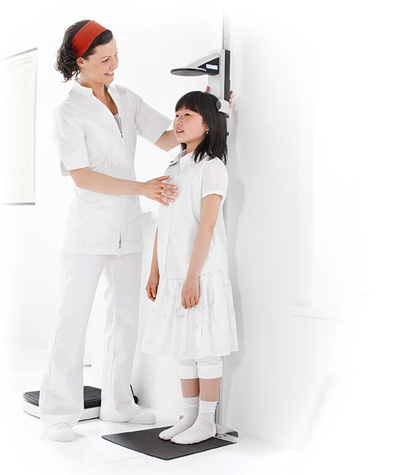
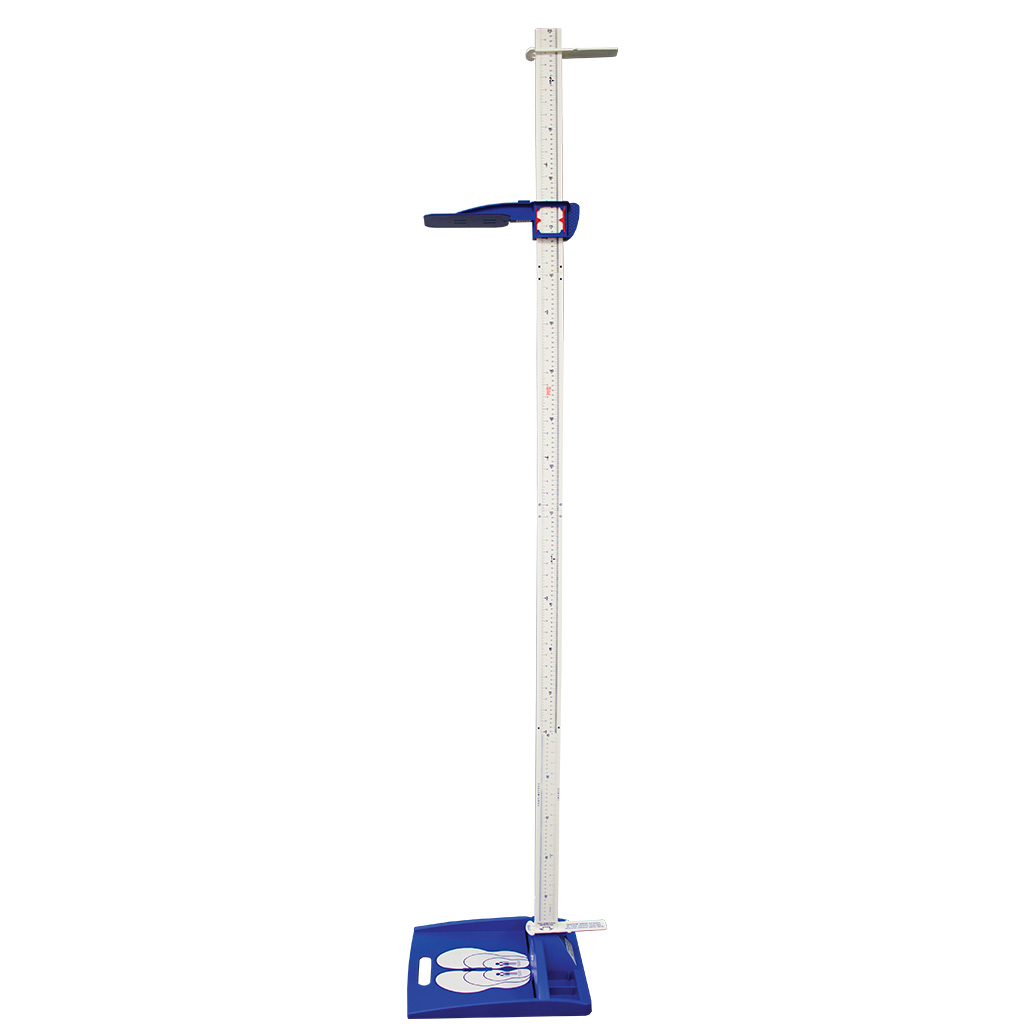
You will be weighed first. There are many different kinds of scales used to measure weight. Height is measured with the ruler attached to an upright scale or with a tape measure when the patient is lying in bed. Adjust the sliders on the scale. Say for example you measure a patient and you read 65 on the scaledevide it by 12. The formula uses your weight divided by the square of your height.
Use of height and weight scales sop uhws 02 training new users in safe usage and maintenance of the height and weight scales documenting the training of all users and supervising use when necessary. Weight was measured using a wheelchair access scale seca 664 in three steps. Ensuring instructional manuals see appendix a are readily available to all users if required. The best way to do it is to devide by 12. I am wondering if anyone could tell me how to measure and interpret height using an upright scale. The calculation is based on comparing a persons weight against their height.
I know how to take weight but looking at the little lines38 3 and a quarter etc. The top row has denominations of single pounds. Lower the measuring device until it rests gently on the top of your clients head and record the measurement calculating bmi body mass index a very common method of measuring bodyweight as a risk factor cardiovascular disease diabetes etc is bmi body mass index. Identify the types of scales and give an example of when each type is used. Weight and height data were collected during participants baseline visit to the exercise lab of the general clinical research center of the university of kansas medical center between 2006 and 2009. The average business person just wants to know how heavy something or someone is.
Gallery of Measuring Height And Weight Using An Upright Scale