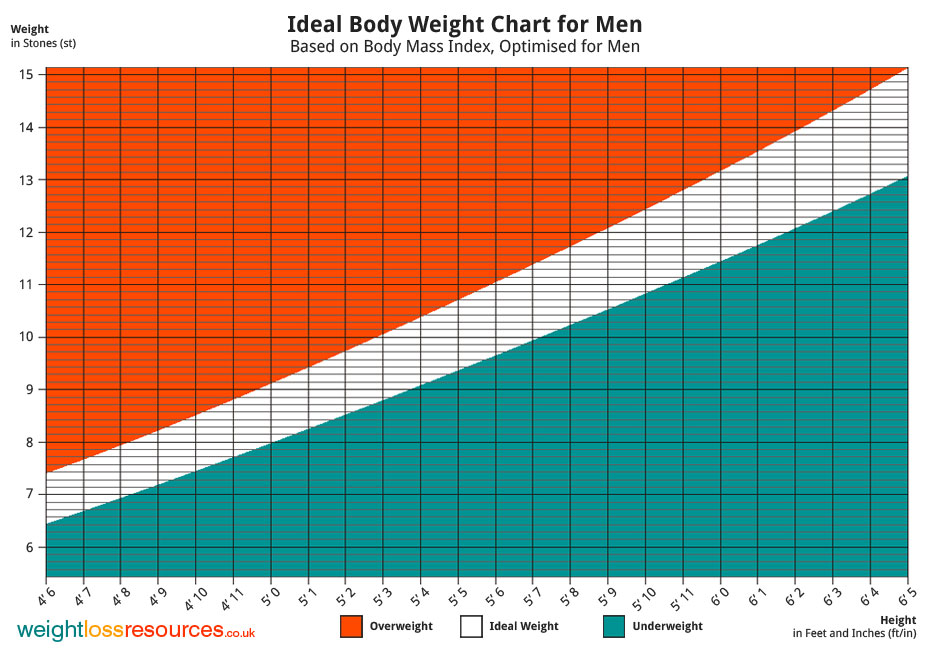
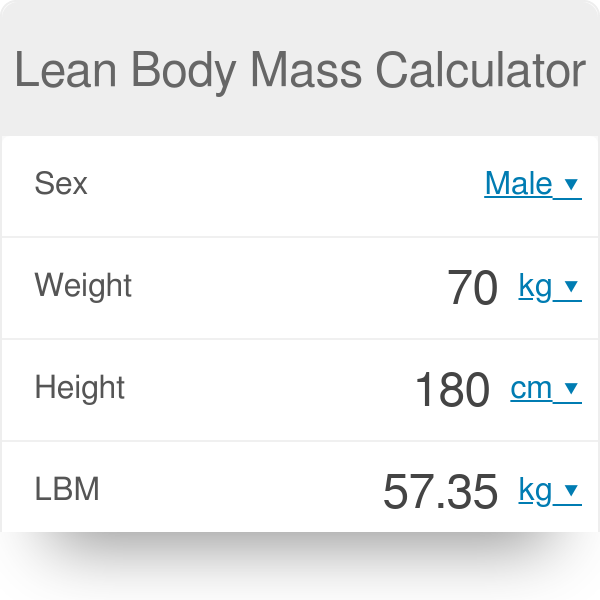
When you go in for a regular checkup your healthcare provider will likely take your height and weight measurements. Obviously the taller you are the more you will likely weigh simply because youre adding extra inches to your physical being. The jump from 75 to 82 seems pretty big but if you do the math you find that most of it is accounted for by the difference in weight rather than any change in how much oxygen i could actually. But the taller you are chances are your overall frame will be bigger on average than a shorter person. This chart makes the answer to that quite obvious. However the ratio is just an estimation and many people have larger or smaller feet than youd calculate based on this ratio.
Both birth length and birth weight are associated with height in adulthood and may have independent contributions to adult body size but the effects of gestational age on these associations have not been fully evaluated. To calculate the wthr a person should divide their waist size by their height. One of my colleagues and i have had an ongoing discussion regarding the obesity paradox weight and how it influences our lifespan. They then use the measurements to determine whether youre in a normal weight. The two primary parameters that impact your health your height and weight are co related using height and weight charts. That means youll generally have roughly 66 inches of height for 1 inch of foot length.
A woman who is 5 feet and 4 inches. If the answer is 05 or less the chances are that they have a healthy weight. He is over six feet tall and near 170 pounds. It sets the standards for you to determine if your height and weight are in harmony mirroring the state of your health. Our objective was to examine the independent contributions of gestational age.
Gallery of Does Weight Have To Do With Height