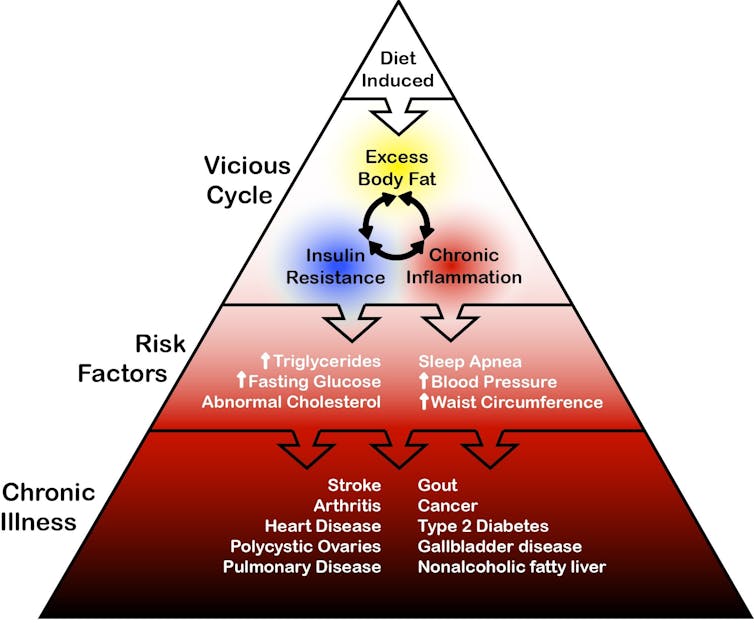
A high bmi and large waist size may signal an increased risk of heart disease. A high amount of body fat can lead to weight related diseases and other health issues. This calculator is valid for children and adults. When it comes to what the number means theres only simple thresholds for men and women. Compared to just measuring waist circumference waist to height ratio is equally fair for short and tall persons. Enter waist circumference and height by turning the dials.
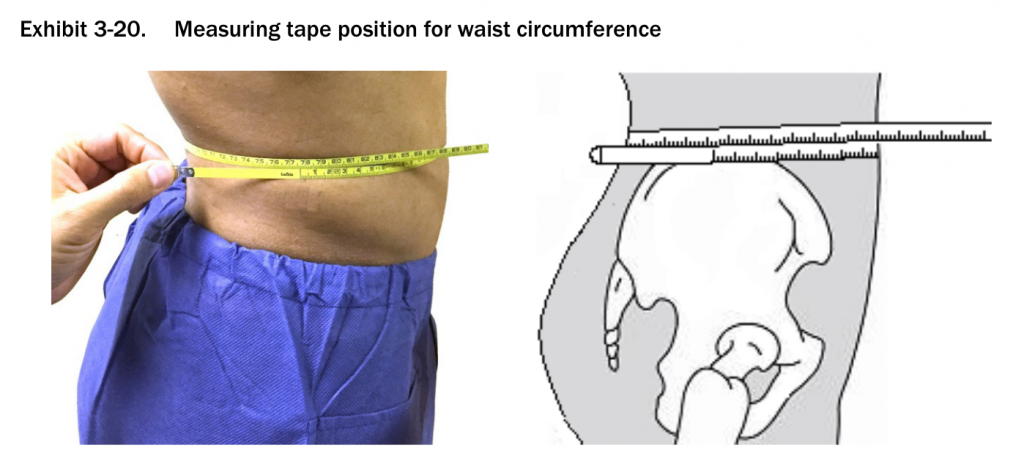
The waist height ratio is calculated as waist measurement divided by height measurement w h. To find your waist circumference place a tape measure around the area above your hip bone and below your rib cage and read the number where the tape meets itself. Body mass index bmi uses weight and height to estimate body fat. The rfm formula basis for this tool and short for relative fat mass is based on 1999 2006 nhanes measurement microdata. Use a caliper such as this one for more accuracy. Body mass index bmi and waist circumference are screening tools to estimate weight status in relation to potential disease risk.
Measure your waist circumference at a horizontal line one inch above your belly button. Note that for low body fat percentages dxa estimates under 14 or so male and 24 female the rfm estimate might be high. Being underweight is also a health risk. A bmi between 185 and 249 is considered normal with any number above it considered overweight. For females a waist circumference of 35 inches or greater is considered unhealthy. Anything below this bmi is underweight.
For example a person with a 28 in 71 cm waist and 5 ft 7 in 170 cm height has a waistheight ratio of 042. However bmi and waist circumference are not diagnostic tools for disease risks. A person who is 5feet 4 inches tall such as the average american woman is at a healthy weight if she weighs between 110 and 140 pounds. Measure your height and waist circumference.
Gallery of Estimate Waist Circumference From Height And Weight