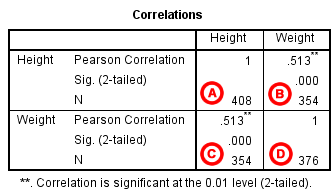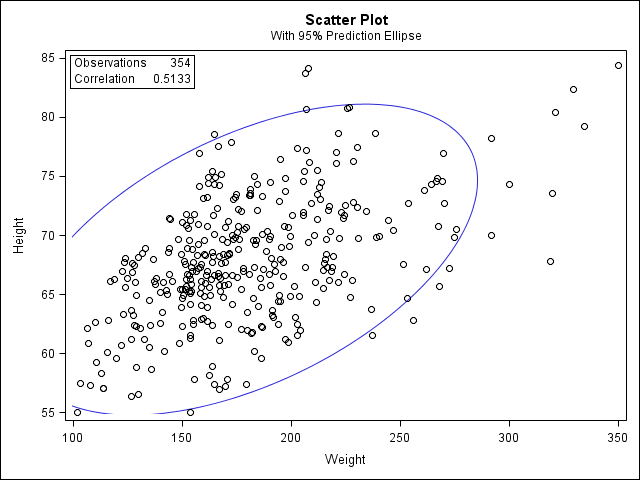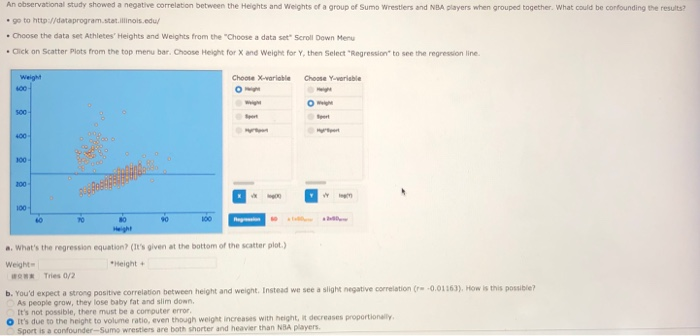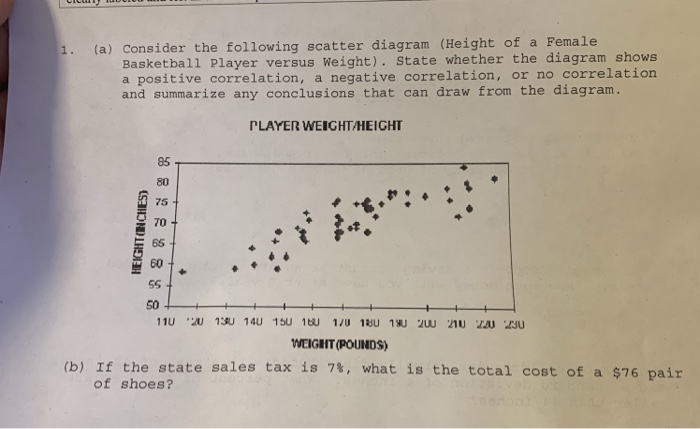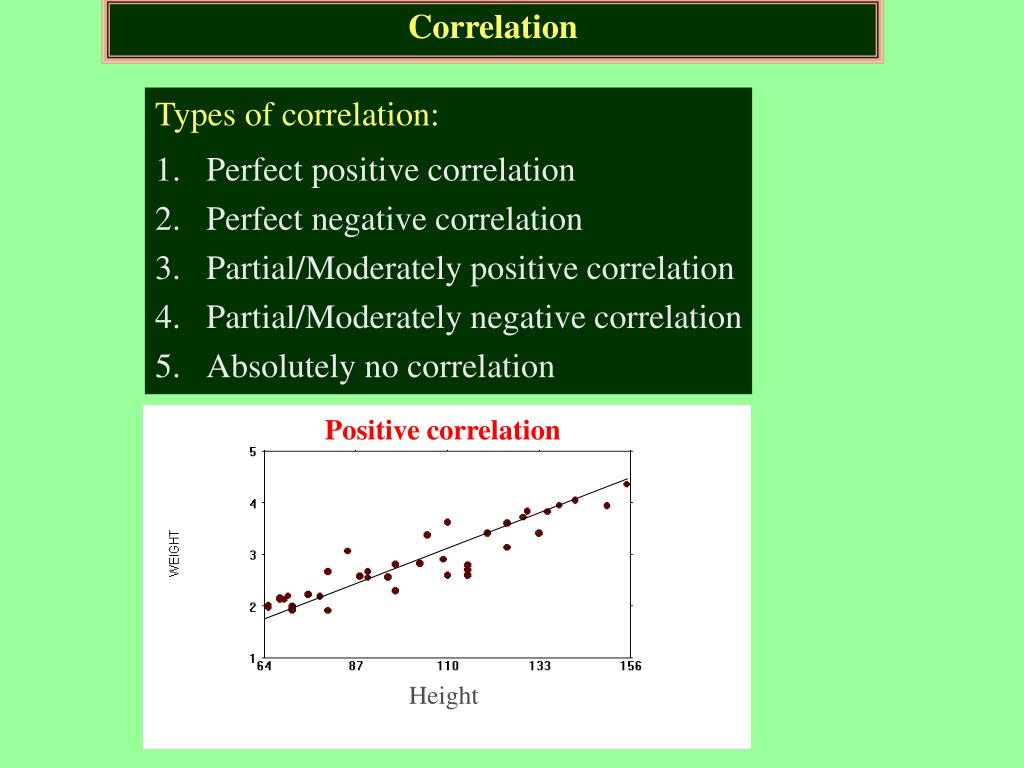
Self reported height and weight recorded by 275 women taking a survey regarding contraception were compared to the height and weight recorded in the medical record. Finally some pitfalls regarding the use of correlation will be discussed. Interpreting our height and weight correlation example. It is one of the best means for evaluating the strength of a relationship. As height increases weight tends to increase. Example height and weight.
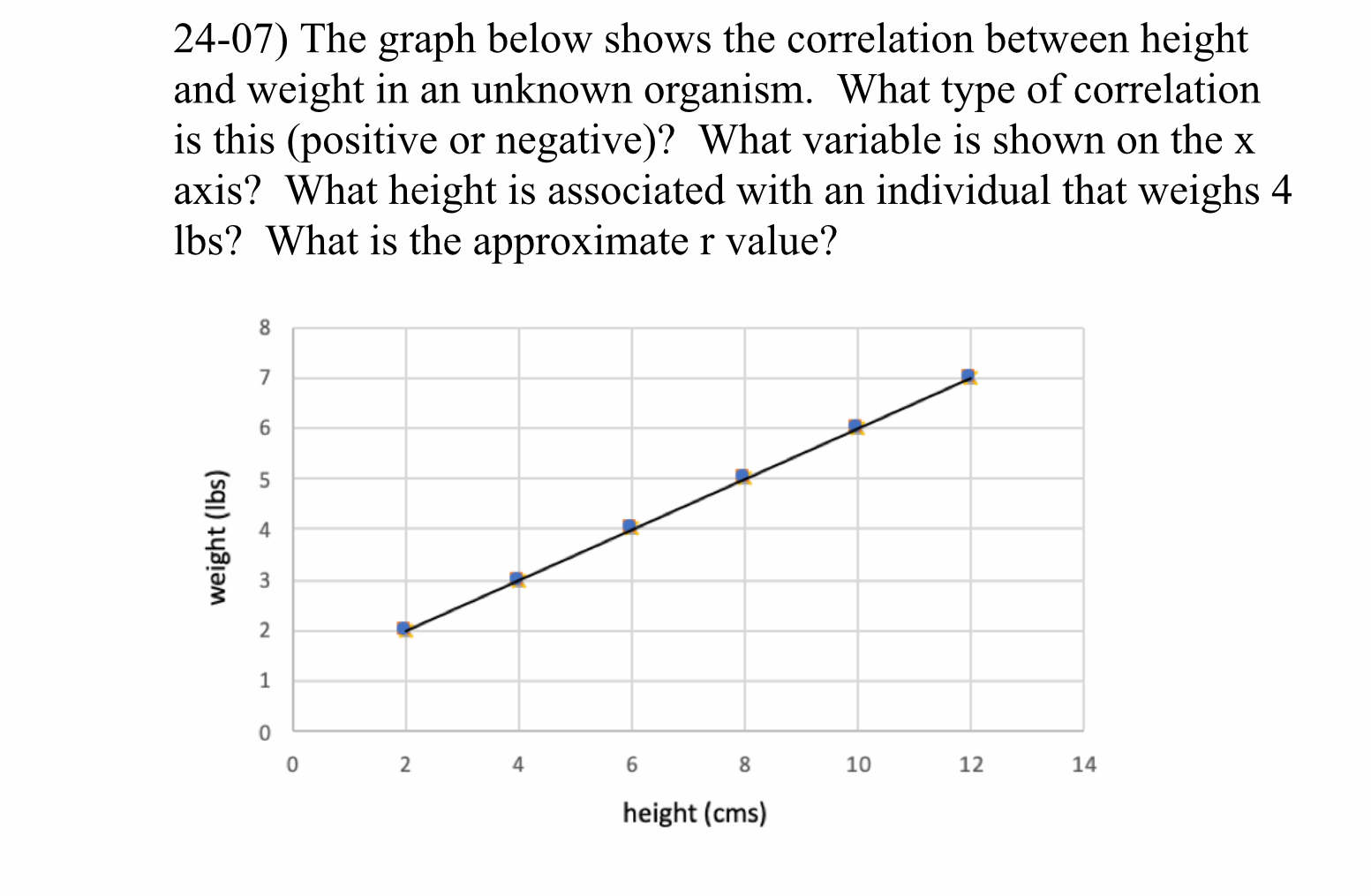
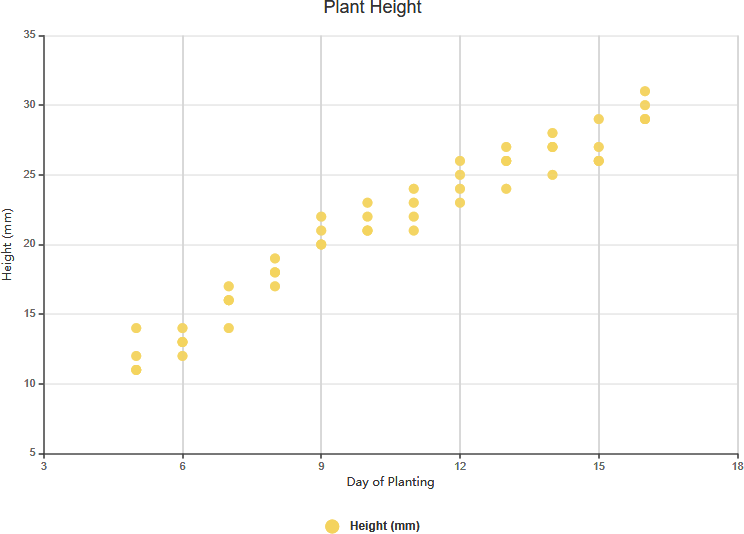
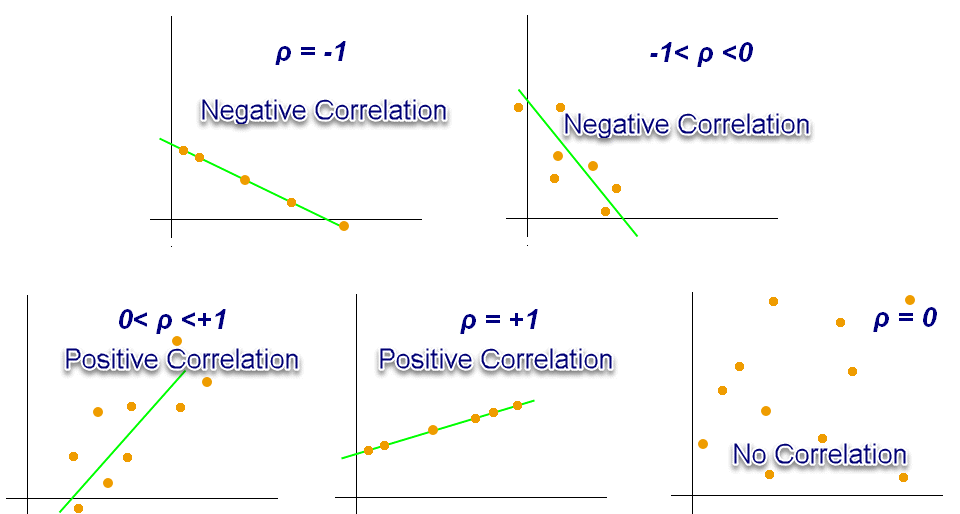
Positive correlation there exists a positive correlation between two variables when they are said to move in the same direction. As the age increases height increases and also weight increases so there appears to be a positive relationship in other words there is a positive correlation between height and age. Example height and weight. Correlation is a term that is a measure of the strength of a linear relationship between two quantitative variables eg height weight. We know that its a positive relationship. For example we know that the correlation between height and weight is approximately r70 if we square this number to find the coefficient of determination r squared49 thus 49 percent of ones weight is directly accounted for ones height and vice versa.
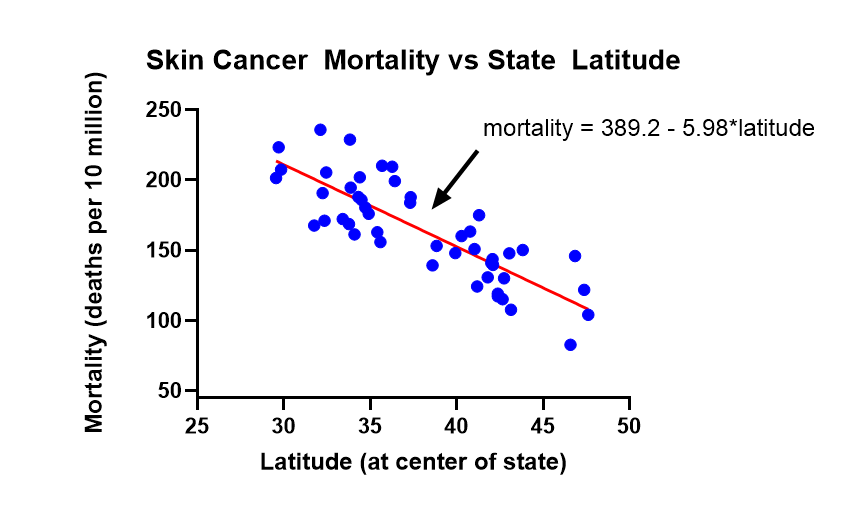
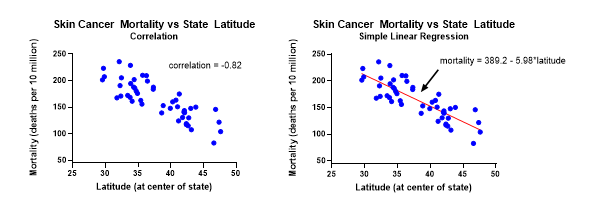
Now that we have seen a range of positive and negative relationships lets see how our correlation coefficient of 0694 fits in. This post will define positive and negative correlations illustrated with examples and explanations of how to measure correlation. Negative correlation there said to exist a negative correlation between two variables when the variable change with opposite direction. The participants slightly over reported height and under reported weight but there was a good correlation between reported and measured bmi 1.
Gallery of Is Height And Weight A Negative Correlation